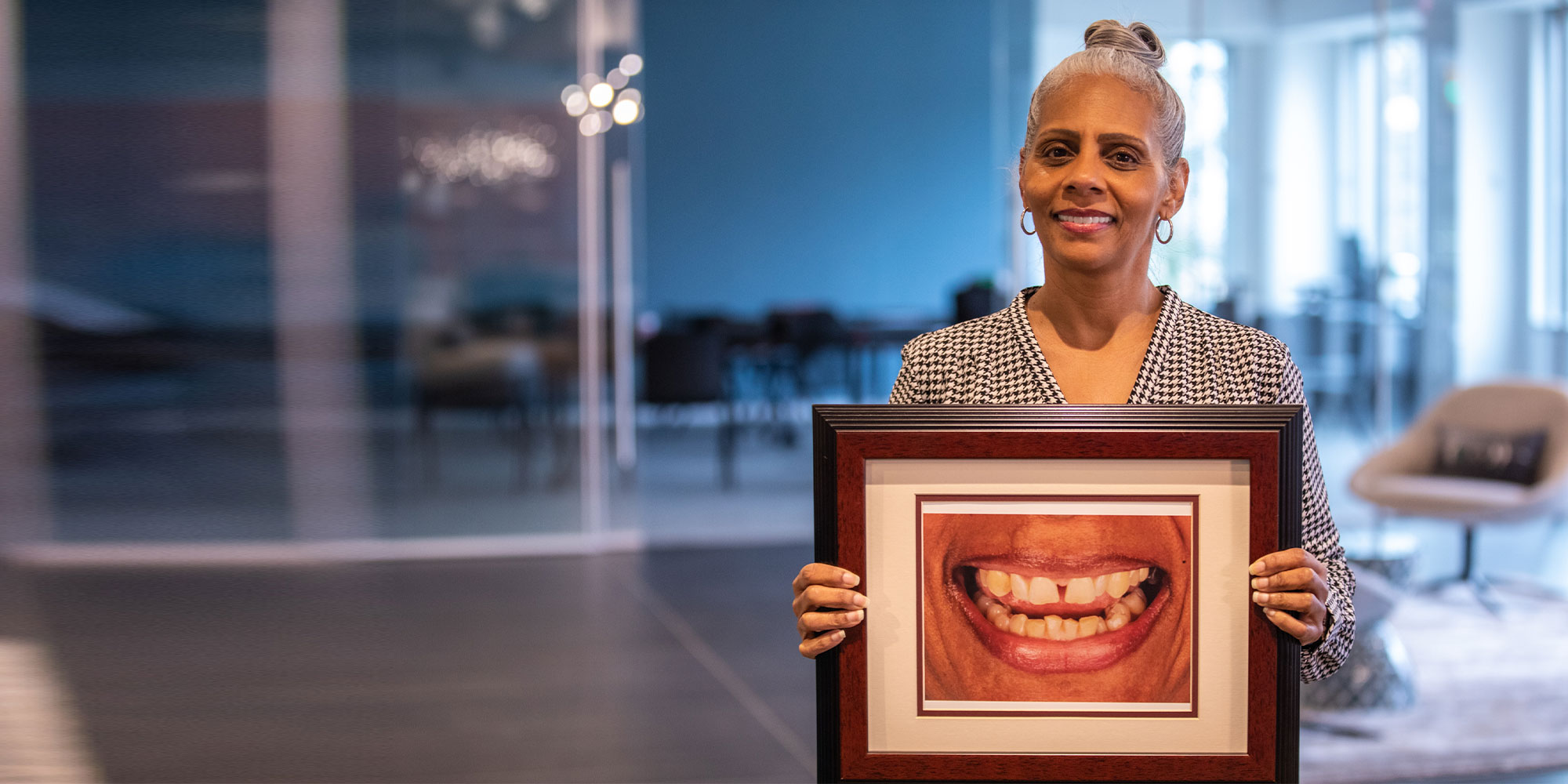
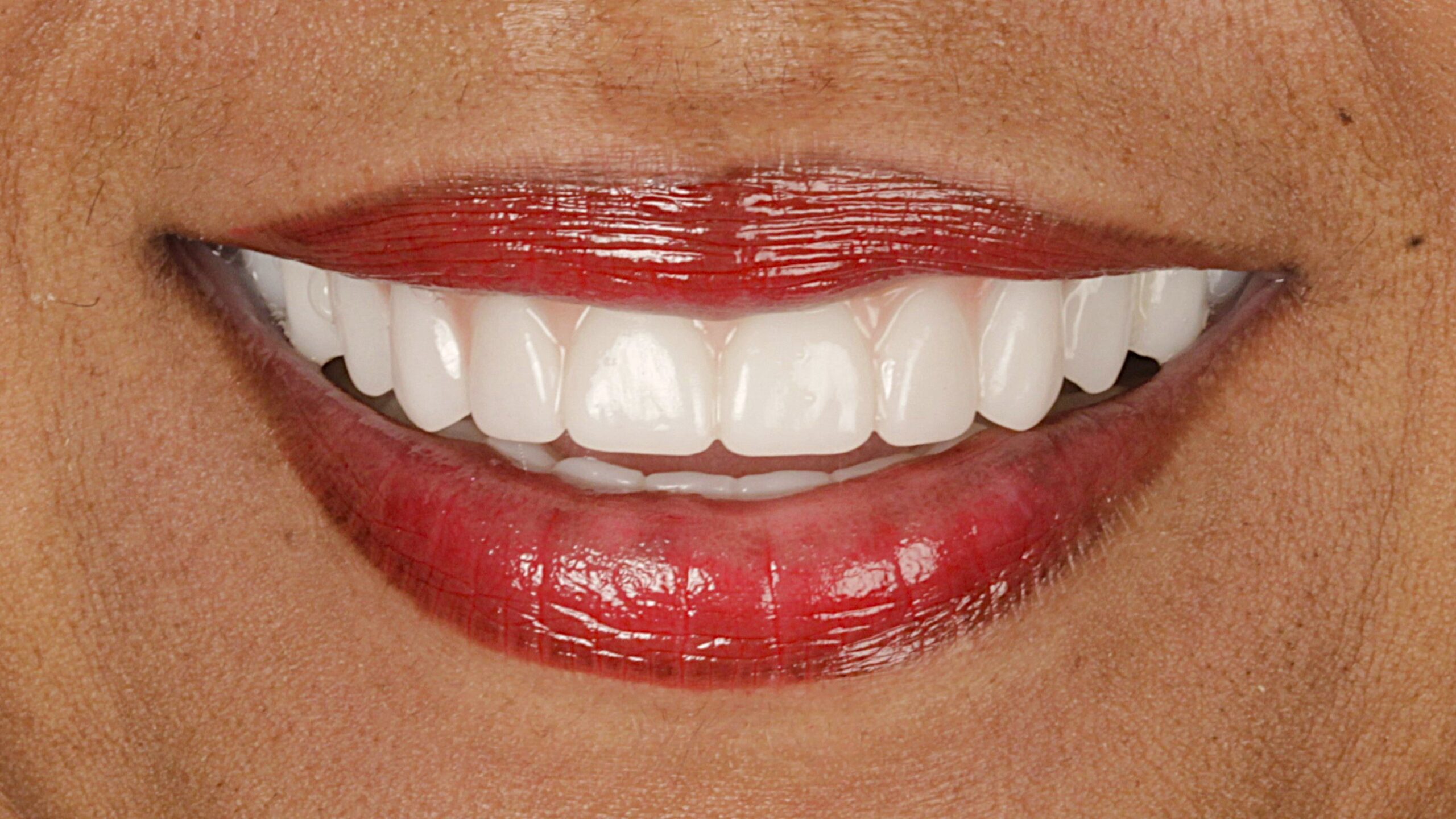
Yolanda holding a framed photograph of her smile before treatment
HomeImplantsAll-on-4

A whole arch. Four implants. One day.

An entire upper or lower arch on four titanium posts. Most patients walk out of surgery with fixed provisional teeth already in place.

4 postsPer arch, upper or lower
Same dayPMMA provisional teeth
3–4 moTo the zirconia final
FP1 firstPlanned as thin as the bone allows
Why Four

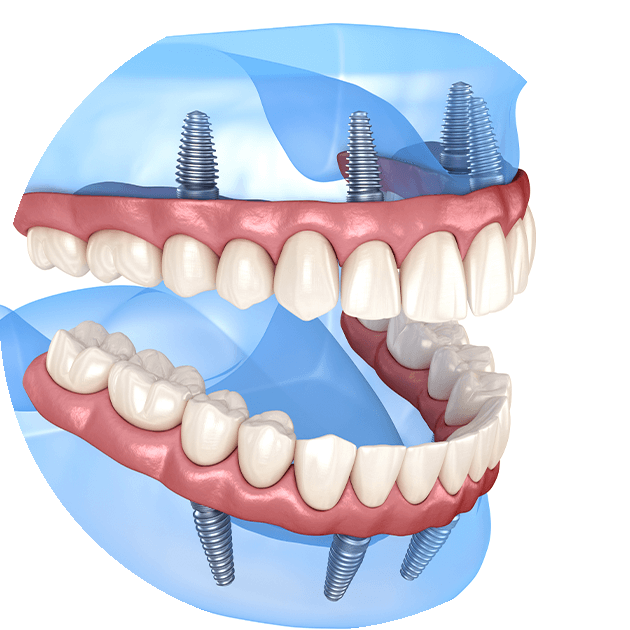
Angled posts reach the bone you still have.

The two rear implants are angled forward into the denser bone at the front of the jaw, so four posts carry a full arch without rebuilding the back of the mouth first. Which is why bone loss often makes you a candidate rather than ruling you out.

Four implants carrying a full arch
4 postsPer arch
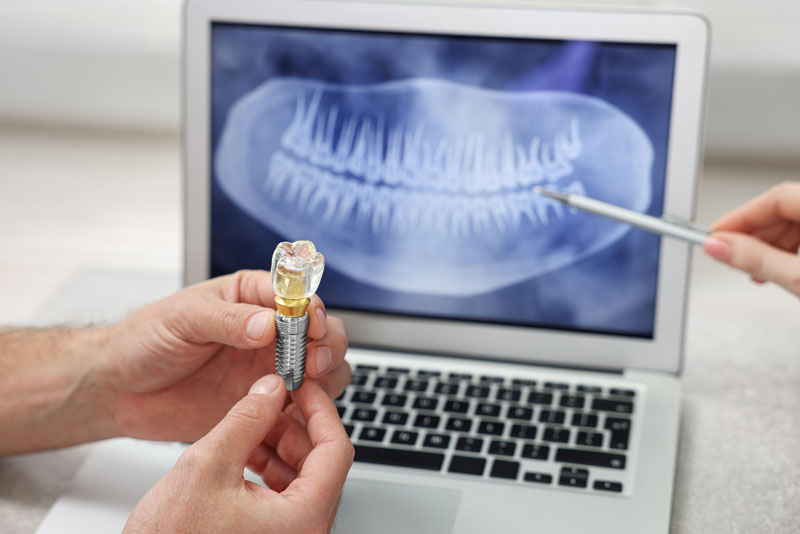
A clinician showing a patient their X-ray beside an implant model
GuidedPlanned on the scan
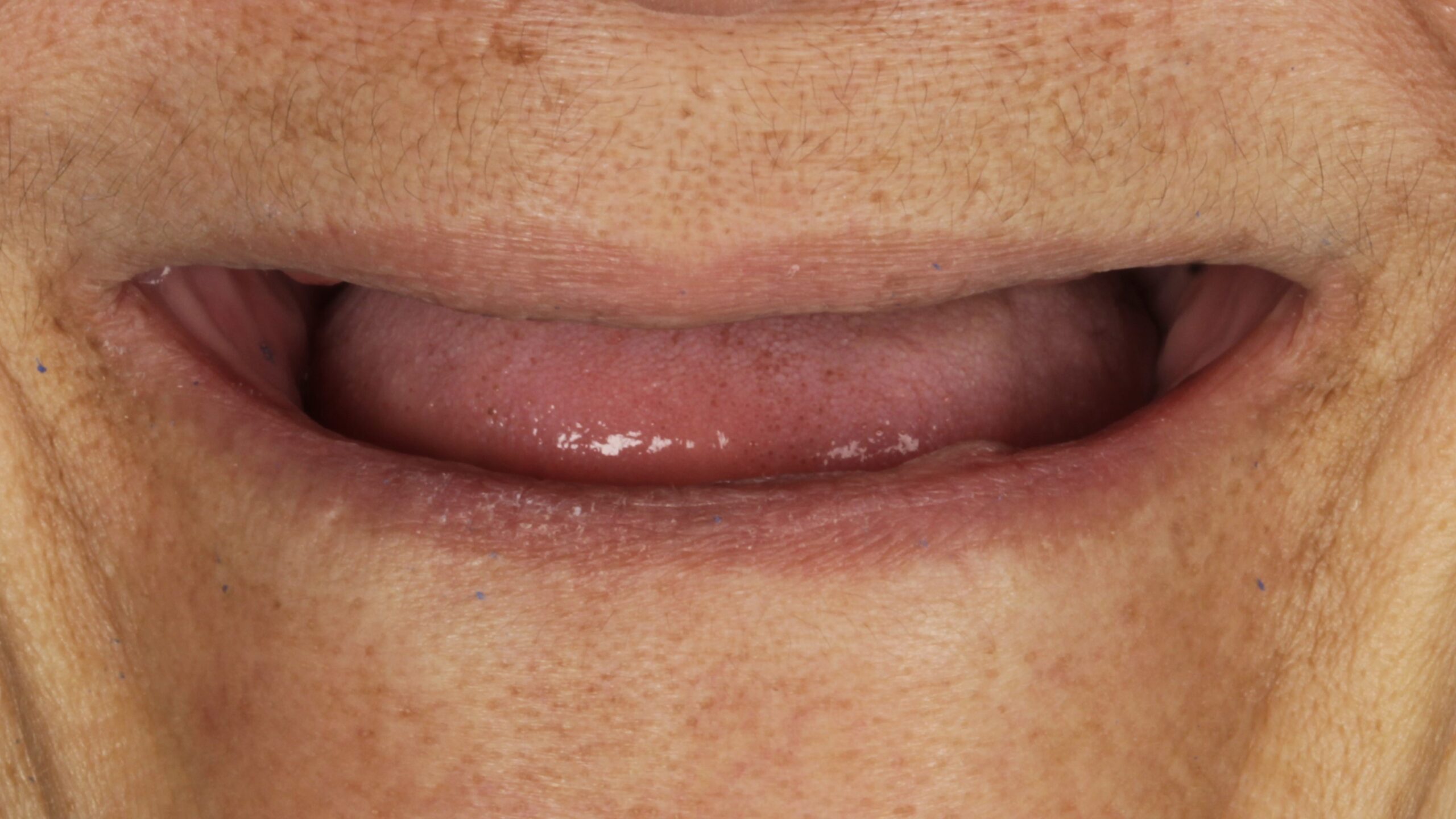
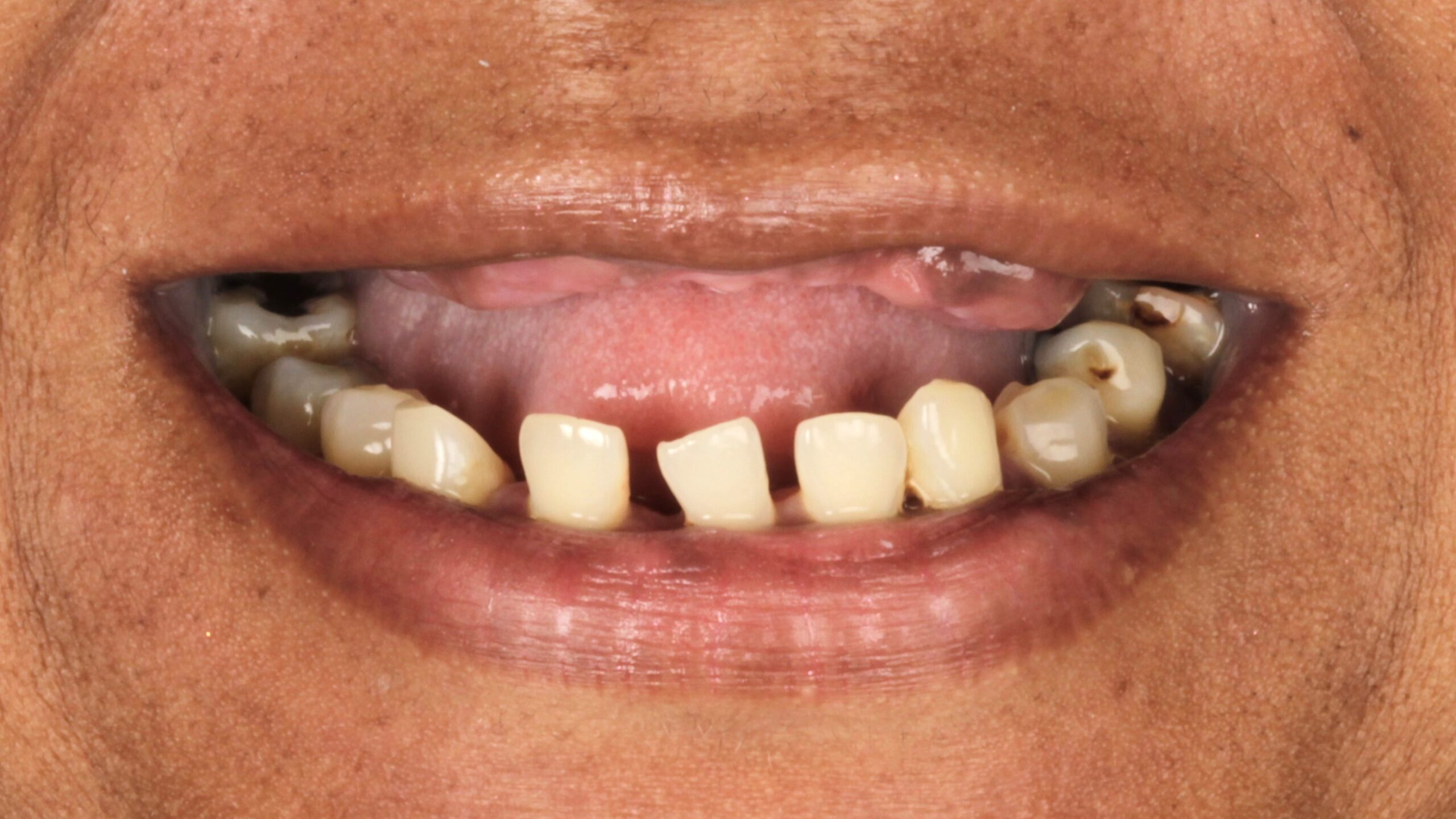
Both arches failing before treatment
Where it starts
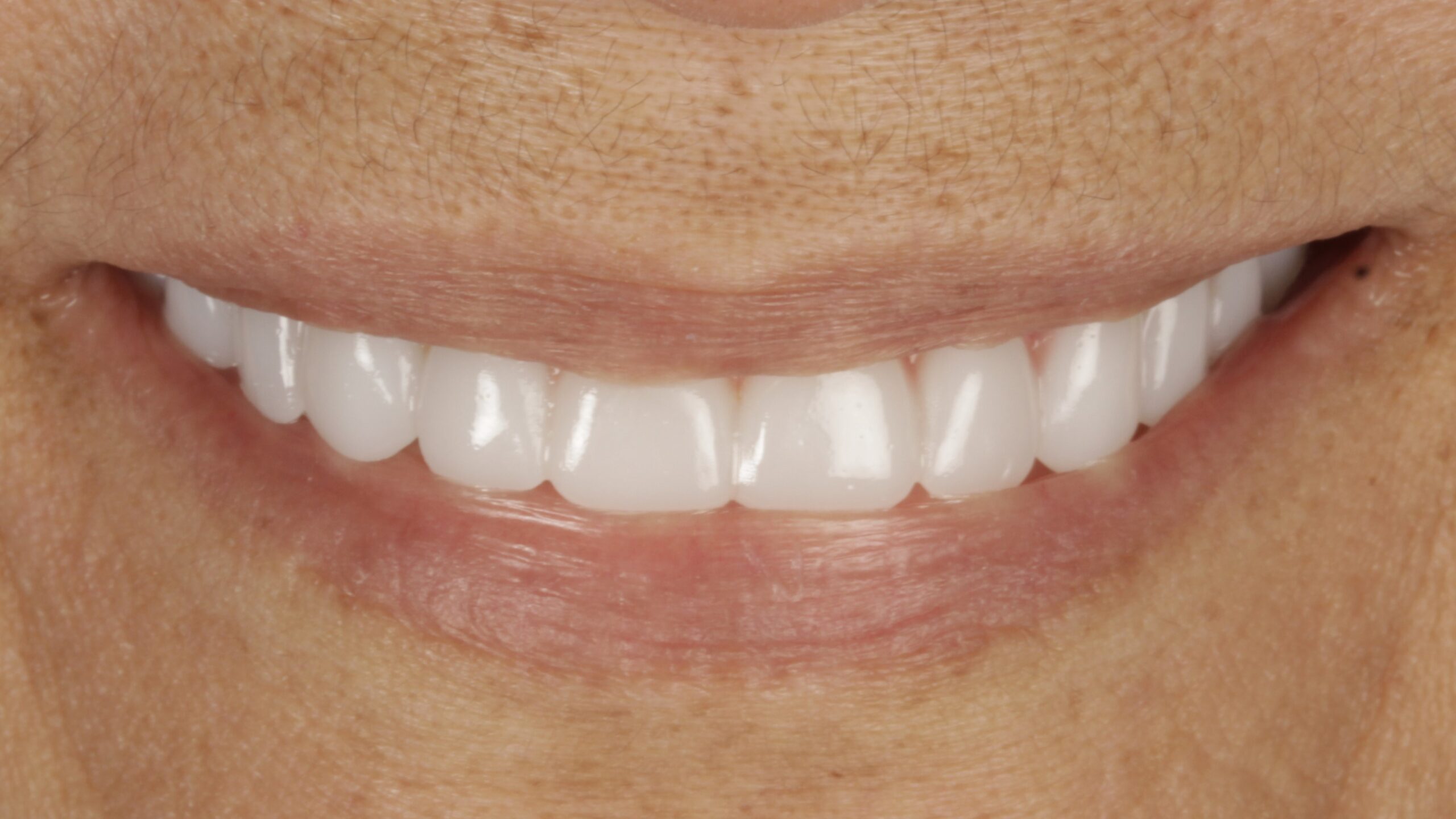
Both arches restored on implants
One day later

Each post has to land at an exact angle, depth and position, or the arch above it will never load evenly. Planning is done digitally from the cone-beam scan and delivered through a computer-generated surgical guide. How implants work generally

Thin Arch

FP1, FP2, FP3, and why we plan for the first.

Two practices can both quote you “All-on-4” and hand back very different teeth. What separates the three types is how much is teeth and how much is pink acrylic standing in for gum and bone. Here the arch is planned as thin as the case will carry.

FP1

Replaces teeth only

  • Natural crown-and-bridge look
  • No added pink, no extra bulk
  • Typically on more natural gum architecture
FP2

Longer teeth, minimal pink

  • Longer teeth, minimal pink acrylic
  • The pink that is added still follows the natural gum contour
  • Rarely indicated, and often not ideal
FP3

Replaces teeth, gums and bone

  • Thick pink acrylic stands in for gum and bone
  • Thicker, stronger prosthesis
  • Typically best where there is bone loss, and a lower hygiene risk
FP1, FP2 and FP3 full-arch prostheses side by side
The same arch, three ways. The pink is the difference.

A thin arch is not always possible. Where bone loss is advanced, FP3 is both the honest answer and the stronger one, and it is easier to keep clean. What is worth asking of anyone quoting you is which of the three they are planning, and why. Ask at your consultation
The Sequence

Four visits, and one of them is the day it changes.

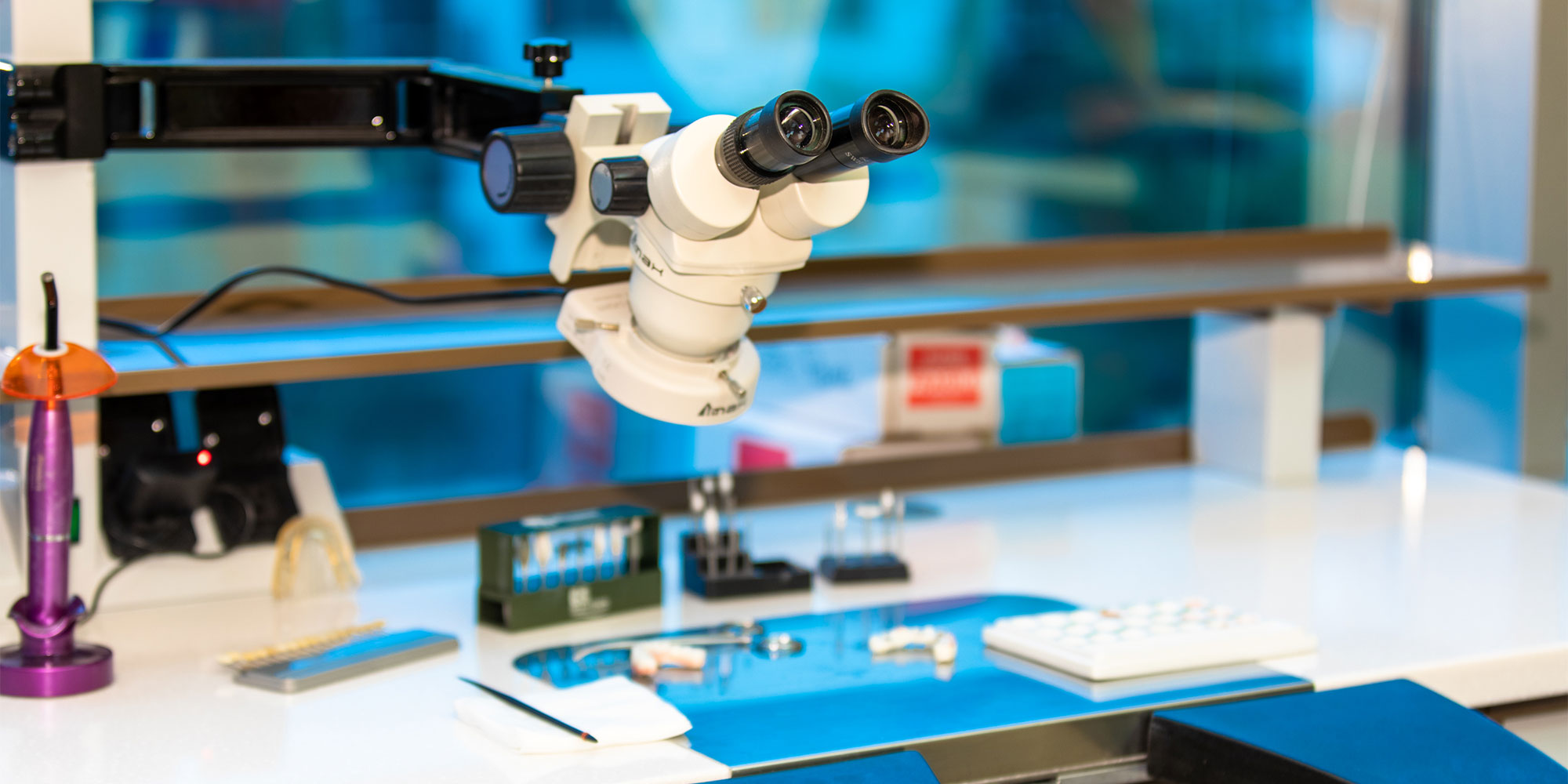
The bench and stereo microscope in the practice's in-house laboratory01

Consultation & cone-beam scan

The examination and the 3D scan establish whether there is enough bone. Pricing, insurance and financing are discussed then, not later.
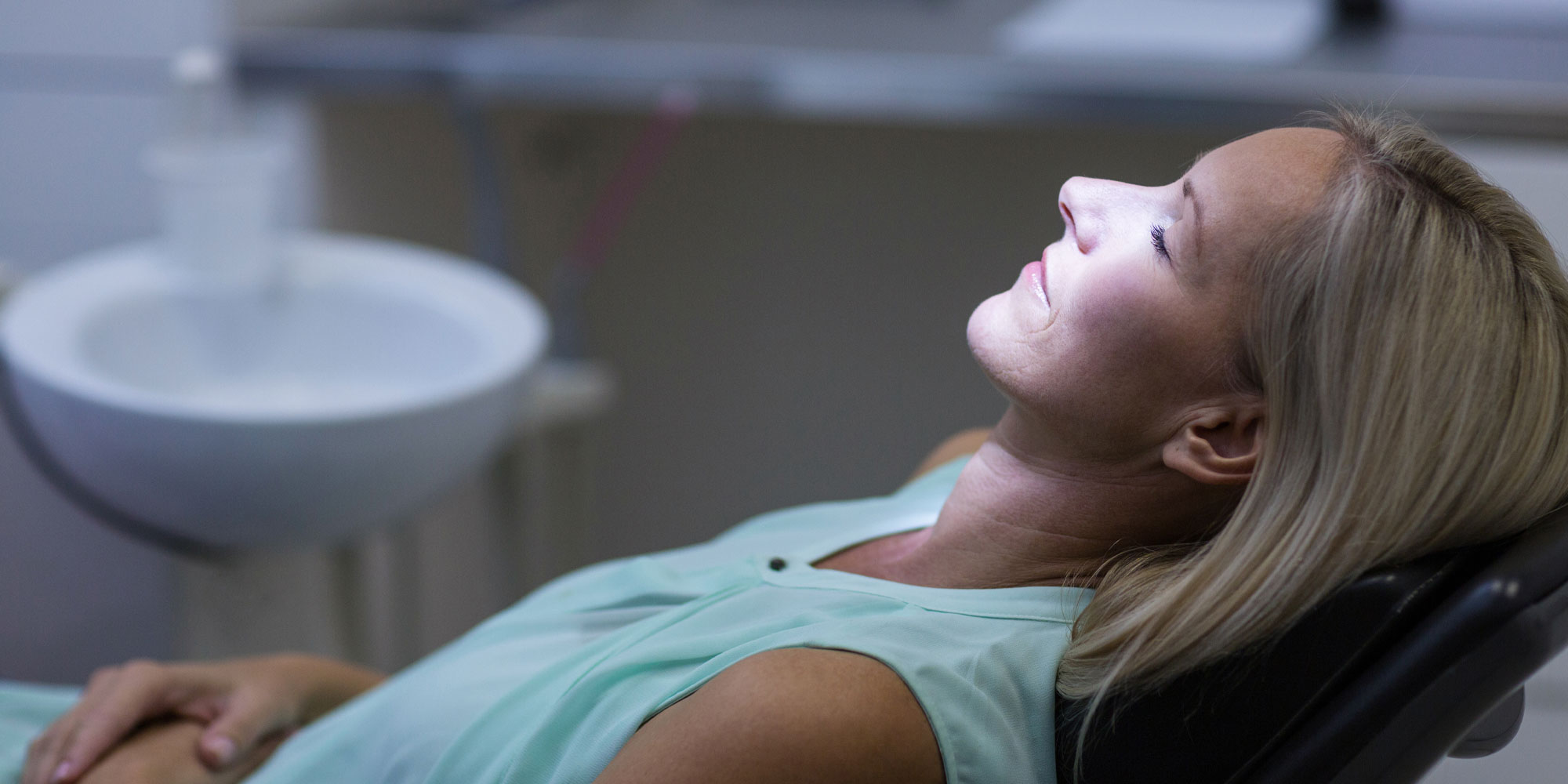
A patient resting with her eyes closed in the chair under sedation02

Transformation day

Four posts in a single visit, under nitrous, oral or IV sedation. You leave wearing a fixed PMMA provisional arch, not a removable denture.
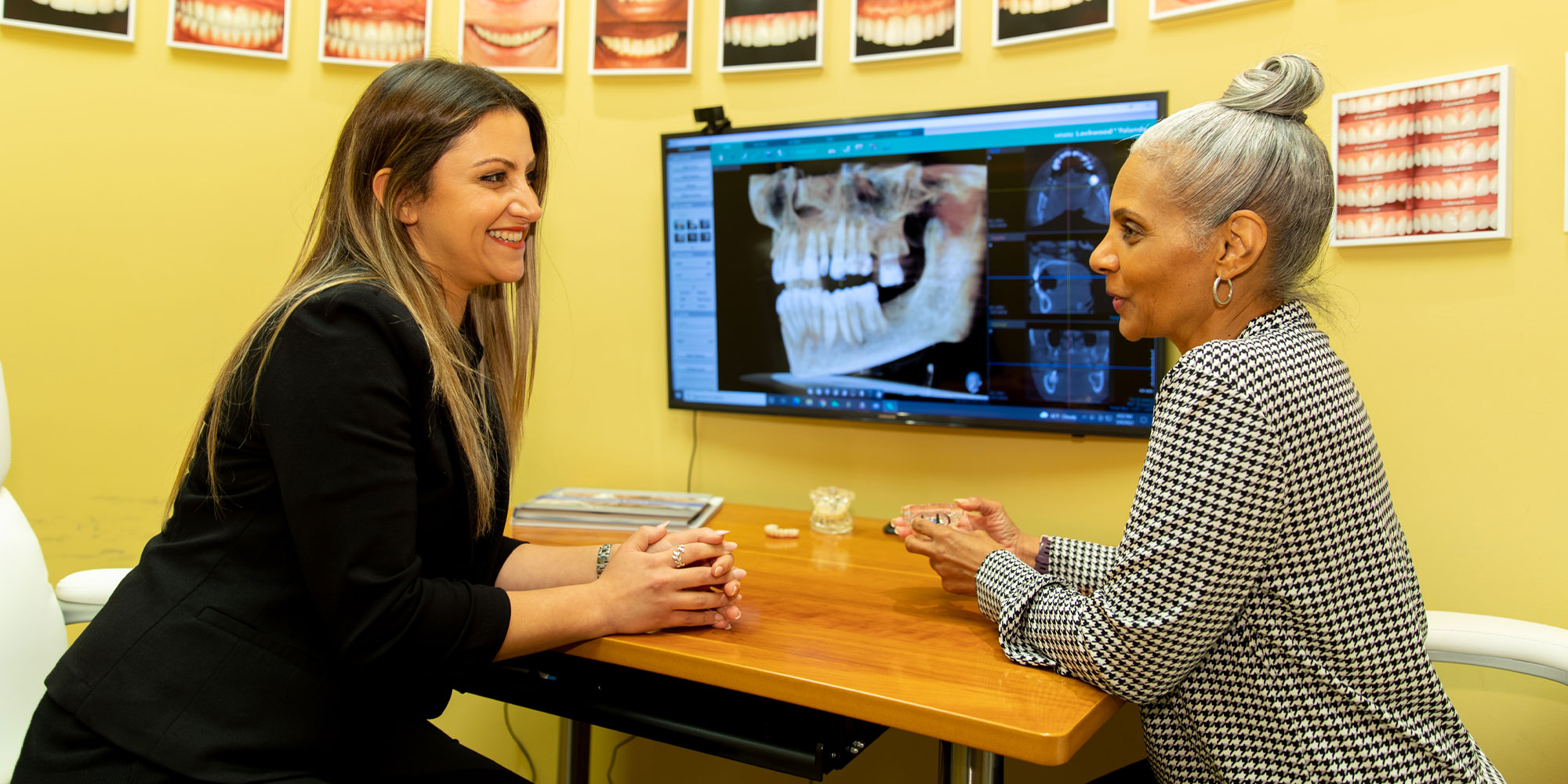
A patient reviewing her CBCT scan and an implant model with a clinician03

Healing & follow-ups

Three to four months while the posts fuse, with reviews along the way to check integration and adjust the provisional.

An upper arch restored on four implants04

The zirconia final

The definitive prosthesis is fitted, then two to four months completes healing around it. After that it is brushed and flossed like teeth.
4Implants per arch
1 visitSurgical placement
0Nights without teeth
6 moPrecare cleanings, for warranty
A completed double-arch implant restoration
Transformation day

Nobody goes home without teeth.

A patient greeting a team member in the practice lounge
Against A Denture

Nothing comes out at night.

A conventional denture rests on gum tissue, moves against it, and needs taking out. A full arch on implants is screwed down. The difference shows up in comfort first and in bone second.

  • Far less prone to slipping or moving over time
  • Less friction on the gums, so less pain, inflammation and infection risk
  • Supports jaw and facial bone structure instead of accelerating its loss
  • Easier hygiene: brushed and flossed like natural teeth
  • Lower long-term cost: less relining, repair and replacement
Real Arches

Drag the line across a real case.

Single arch means one jaw was restored; double means both.

Both arches failing before treatmentBoth arches restored on implantsBeforeAfter
Double arch · upper and lower on implants
Before: failing upper and lower dentitionA completed double-arch implant restorationBeforeAfter
Double arch · fixed zirconia prosthesis
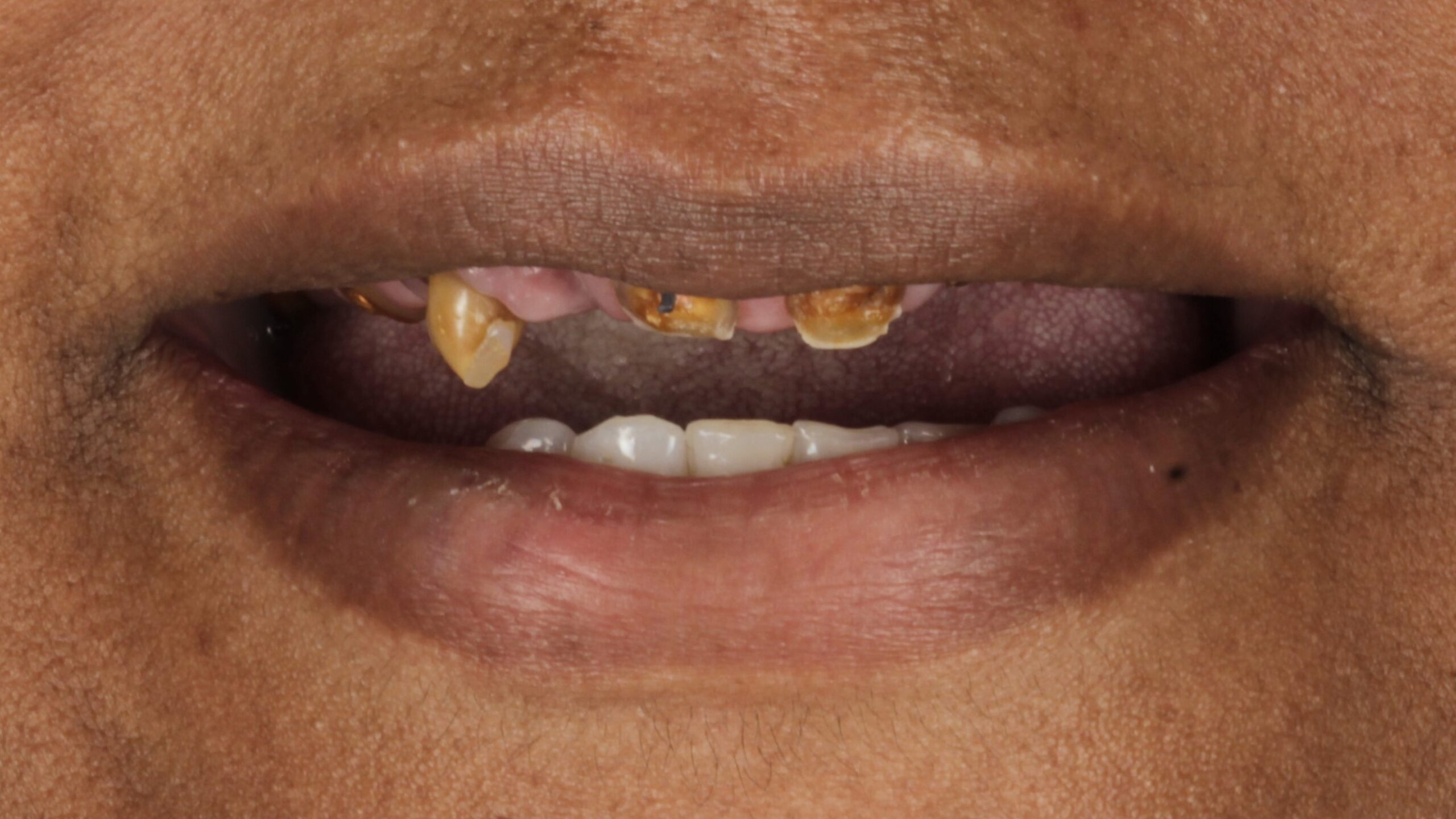
Before: failing upper archAn upper arch restored on four implantsBeforeAfter
Single arch · upper restored on four implants

All sixteen full-arch cases

A patient holding a framed photograph of her smile before treatment
My smile held me back. That’s behind me due to my dental implants.
Melanie · full-arch implant patient

Watch her tell it

What Is Included

The commitments that come with it.

Both arches restored on implantsSame day

Immediate load

A fully functional PMMA provisional arch, fitted the day the implants go in.

A patient reviewing her CBCT scan and an implant model with a clinicianEvery 6 mo

Warranty with Precare

A warranty conditional on Precare: cleanings every six months, the same interval any set of teeth needs.
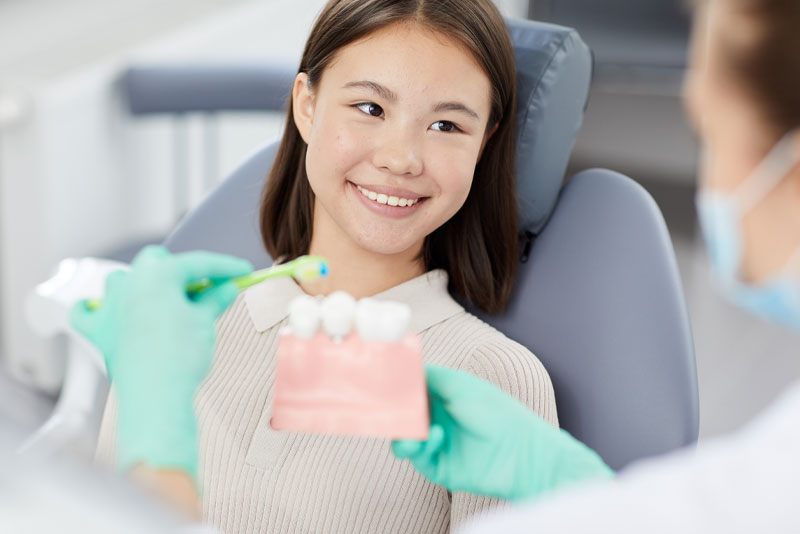
A clinician showing a patient a dental model during a consultationFree

Free second opinion

Quoted elsewhere for implant surgery? A second opinion here costs nothing. Bring the plan and the scan.

Questions

Before you book.

Will I leave surgery without teeth?
No. In most cases you leave the same visit wearing a fixed PMMA provisional prosthesis, which stays in place while the implants integrate.
Can All-on-4 do both jaws?
Yes: upper, lower, or both. Cases are described here as single arch or double arch for exactly that reason.
What if I have bone loss?
All-on-4 is often the answer because of bone loss: the rear implants are angled to reach denser bone. Some cases still need grafting first, which the cone-beam scan determines at the consultation.
What sedation is available?
Nitrous oxide, oral sedation and IV sedation. Oral and IV are administered by a medical anaesthesiologist and need transport arranged both ways. Sedation options →
How long until it is finished?
Three to four months from surgery to the final zirconia prosthesis, then a further two to four months for complete healing around it.

See whether four will do it.

The cone-beam scan, and a straight answer on candidacy, cost and timeline.