Consultation & 3D Scan
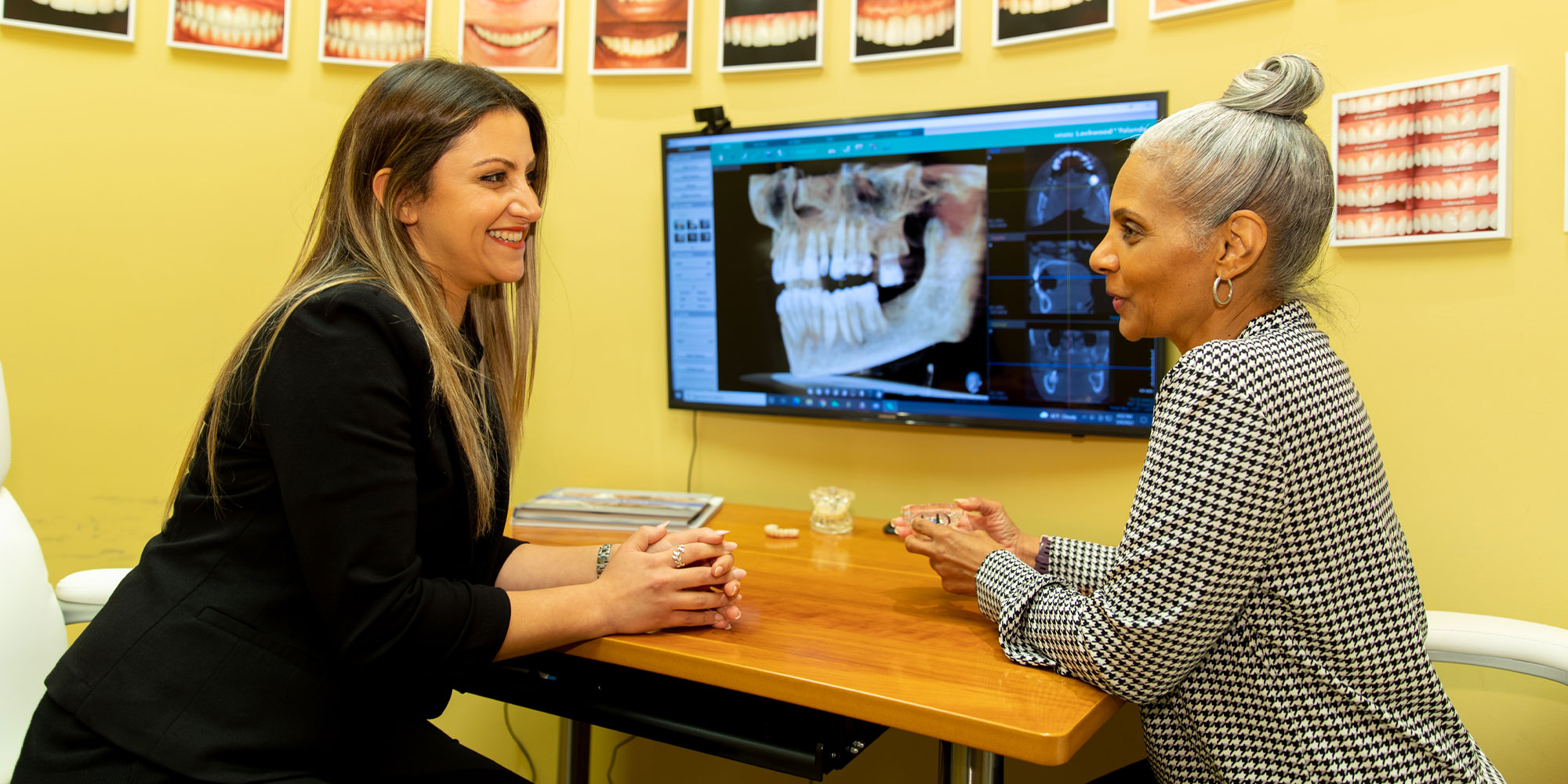
A cone-beam scan shows the bone we actually have to work with. You leave knowing whether you are a candidate, what it costs, and how long it takes.
Not a general dentist with a weekend course. A board-certified prosthodontist who has spent a career rebuilding what other people gave up on.
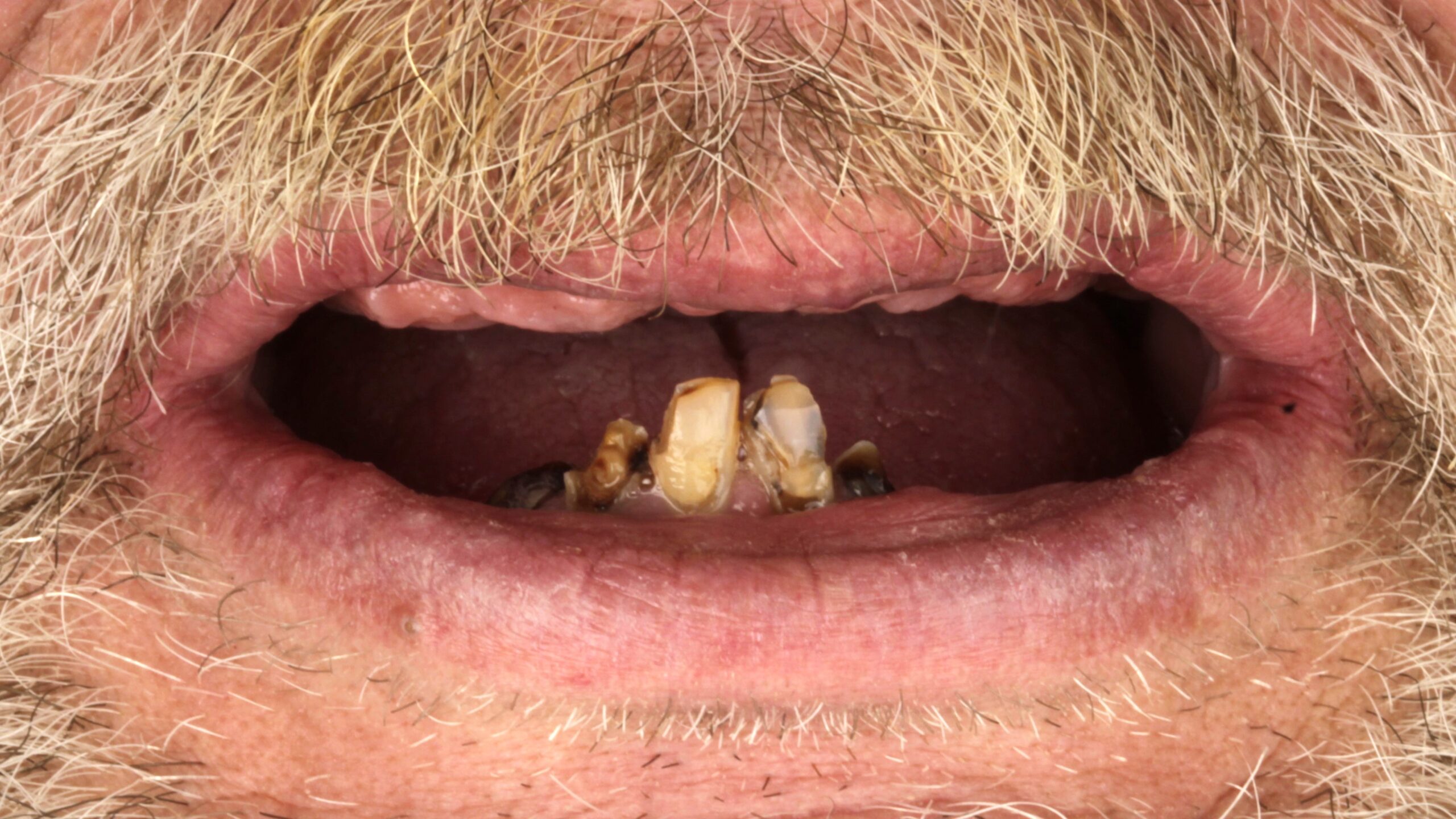
You have probably been told this is complicated. That it will take years, cost a fortune, or simply cannot be done.
Usually that is a verdict on the tools available to whoever was looking, not on your mouth.
Most implant failures are not surgical failures. They are planning failures, and planning is the discipline a prosthodontist trains three extra years to do.
Most implant cases pass through three or four sets of hands. Here, they don’t.
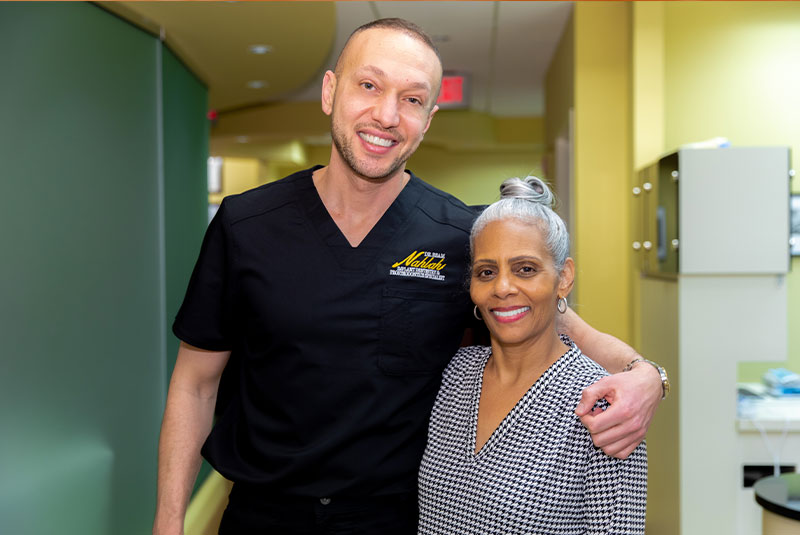
Practising since 2003, in Northern Virginia since 2013, entirely on prosthodontics. Diplomate of the American Board of Prosthodontics and Fellow of the American College of Prosthodontists.
Adjunct faculty at Virginia Commonwealth University, teaching the residents in its Prosthodontics Postgraduate Program, and lecturing on smile design and implants. Which is what brings the difficult cases to his door.
Across that career, over 18,000 implants placed and over 15,000 arches restored.
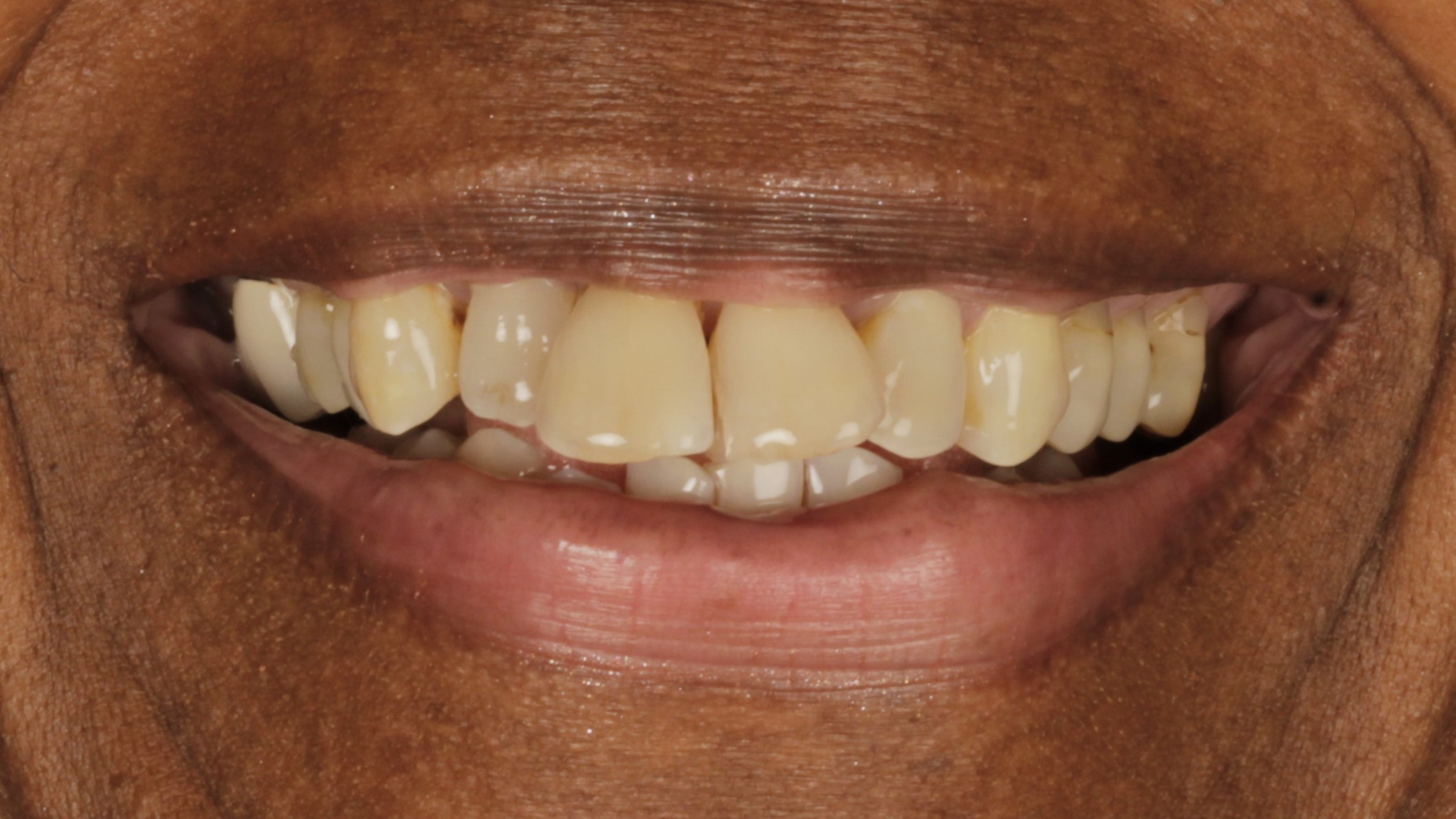
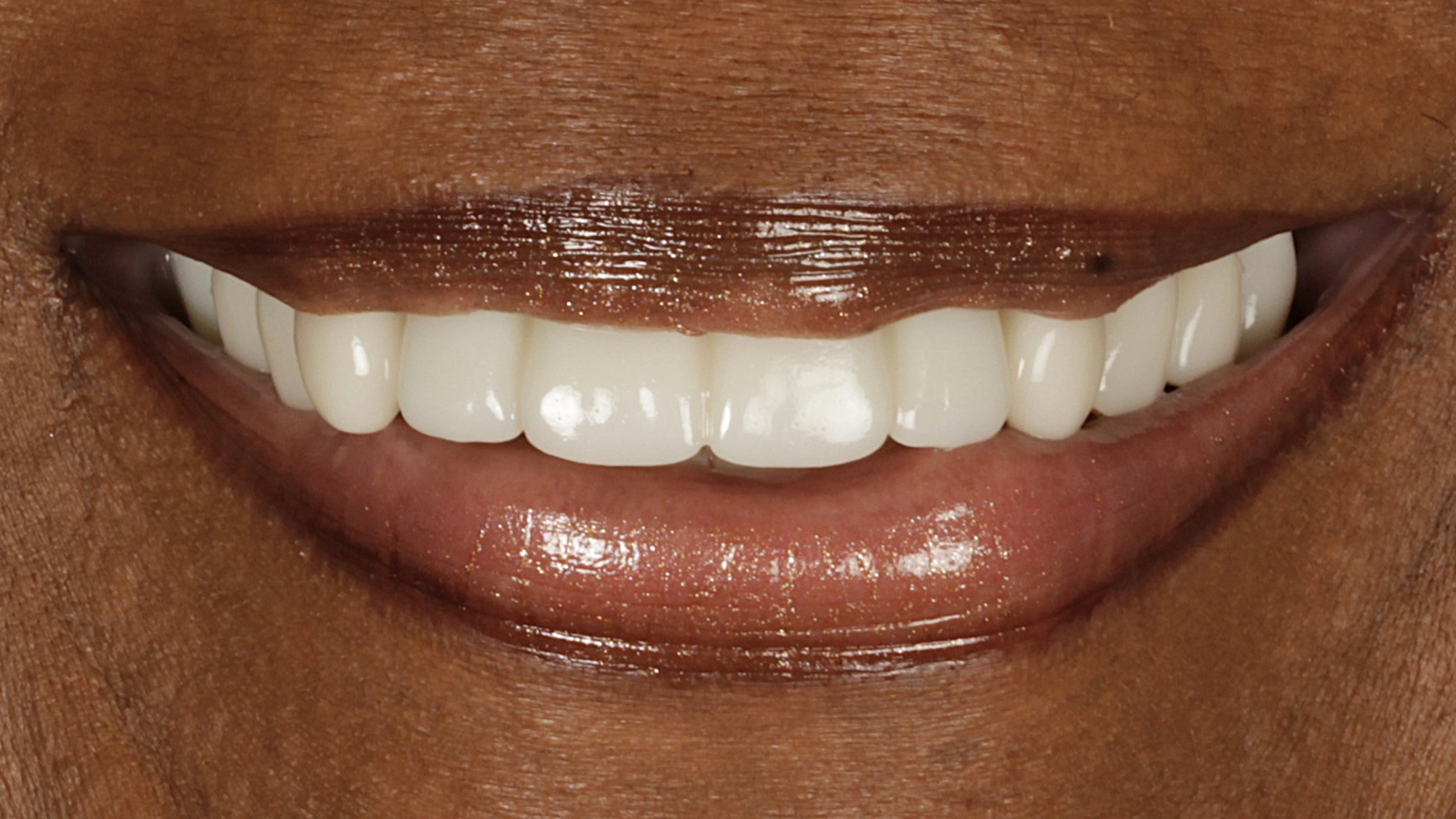
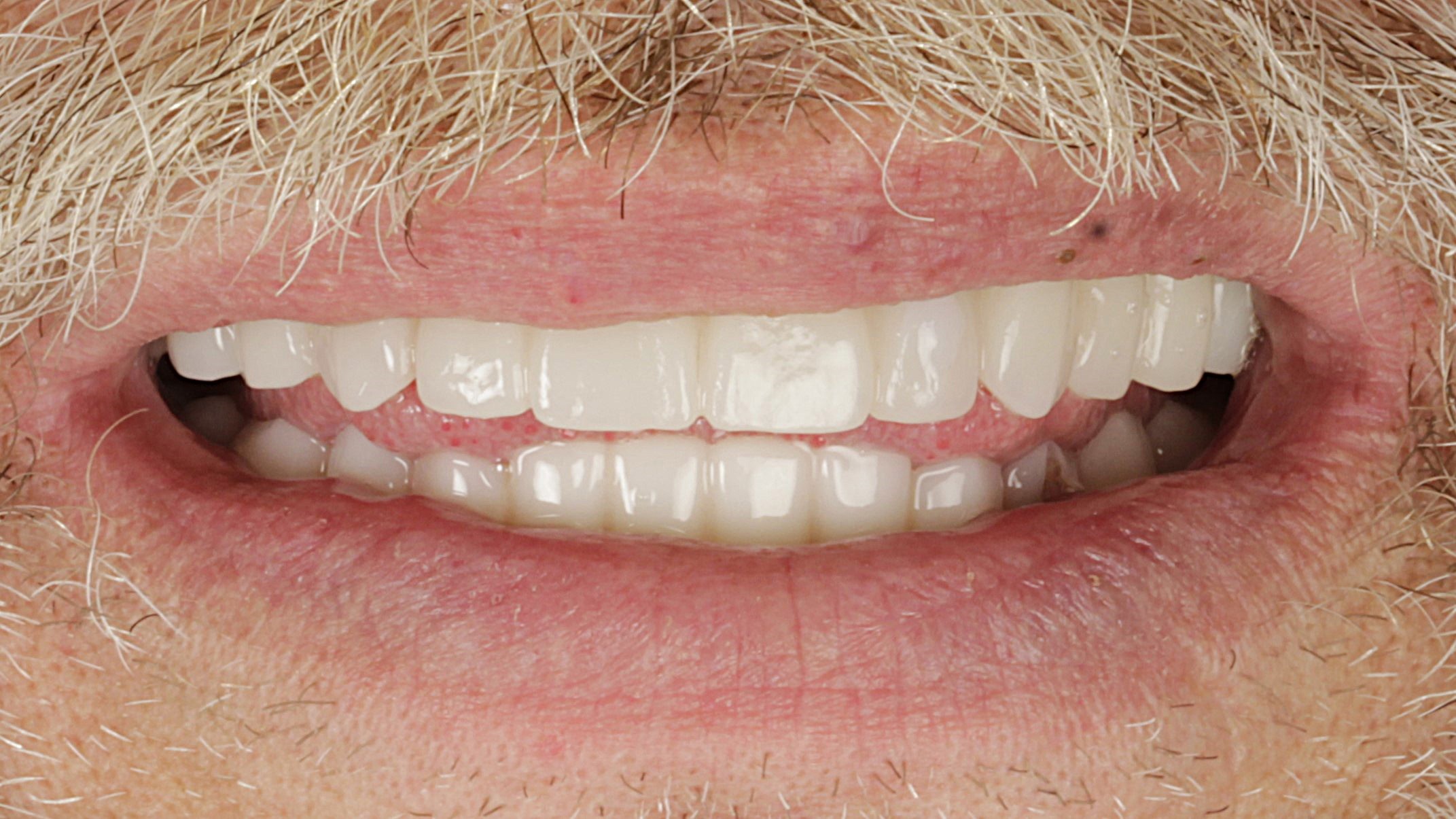
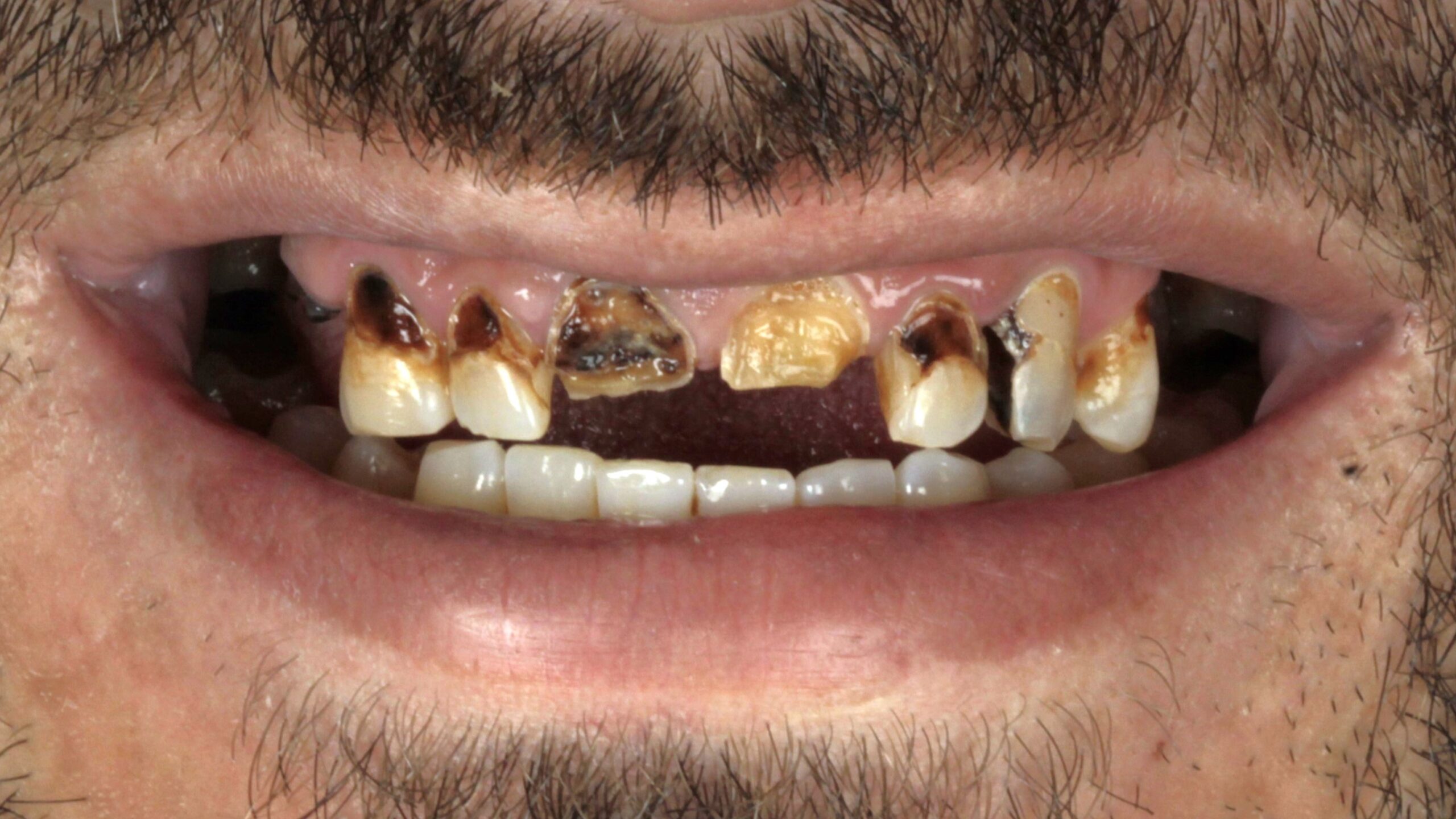
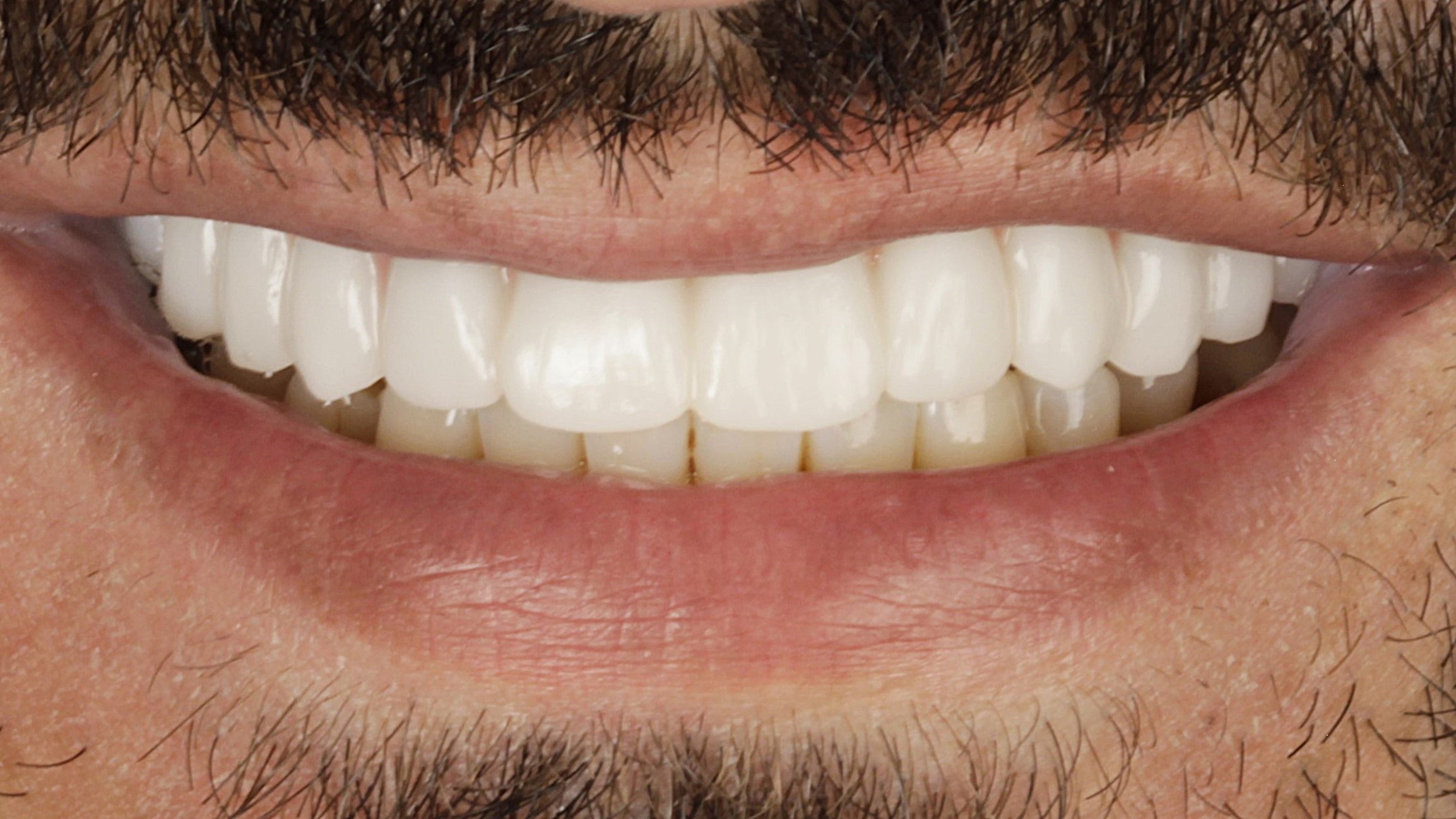
A cone-beam scan shows the bone we actually have to work with. You leave knowing whether you are a candidate, what it costs, and how long it takes.
The final teeth are designed before a single implant is placed. You approve the result in advance rather than hoping for it.
Implants are placed through a surgical guide built from your scan, under sedation if you want it. Many patients leave the same day with fixed teeth.

Once healing is complete the definitive teeth go in, shaped, shaded and bite-balanced by the same specialist who planned them.
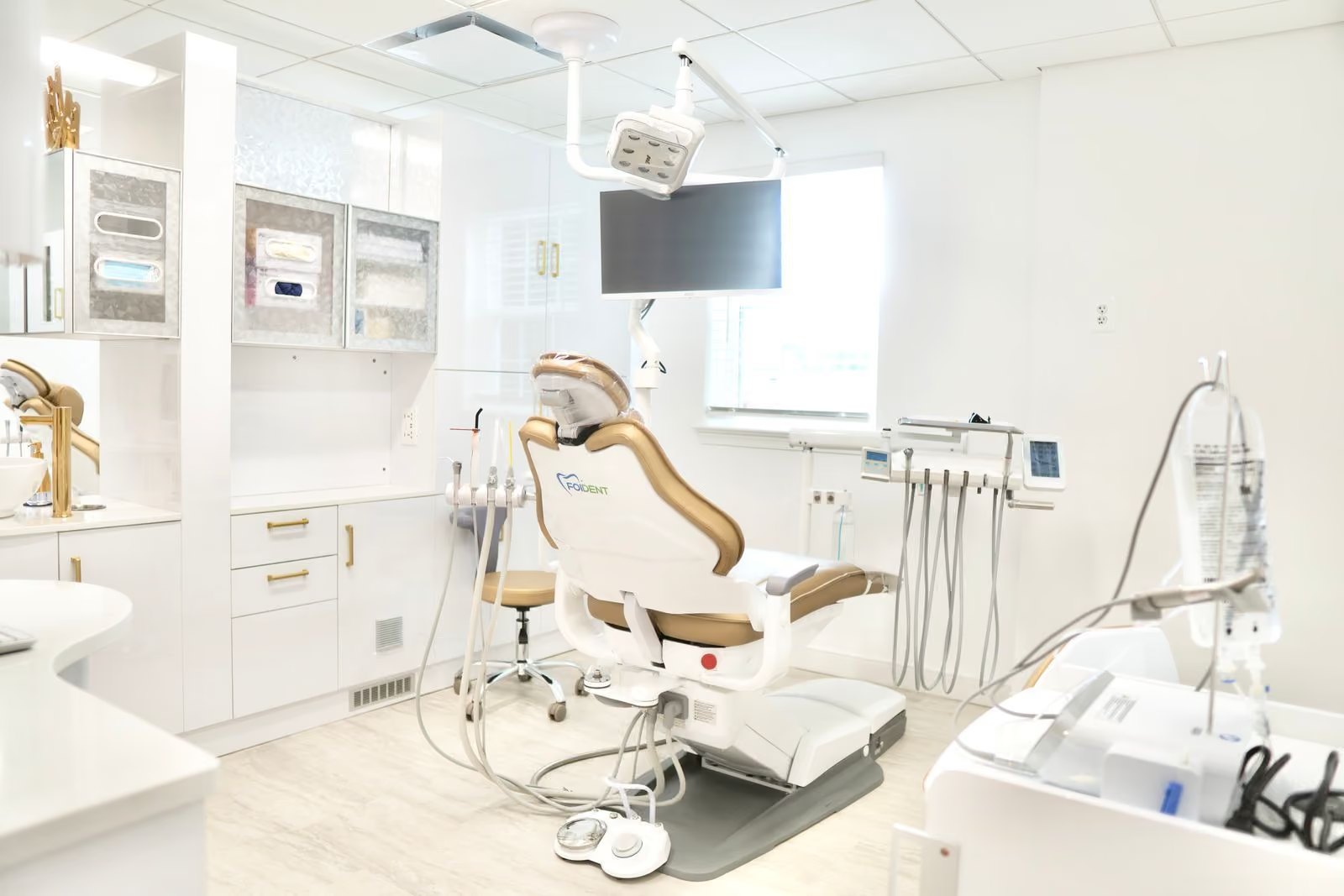
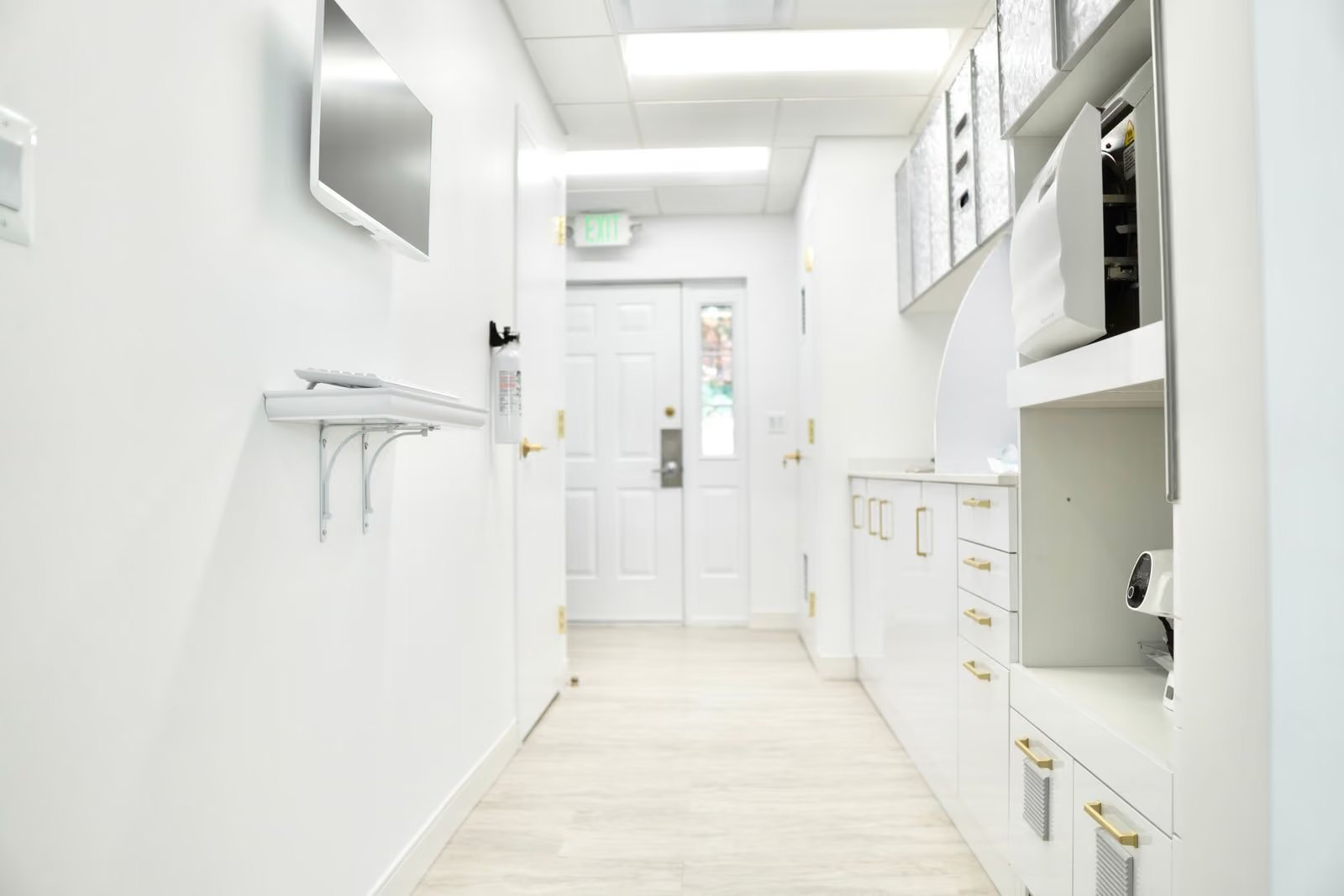
Planning, surgery, sedation and the lab that makes your teeth, all in the same building, run by the same team. These four are what that actually buys you.
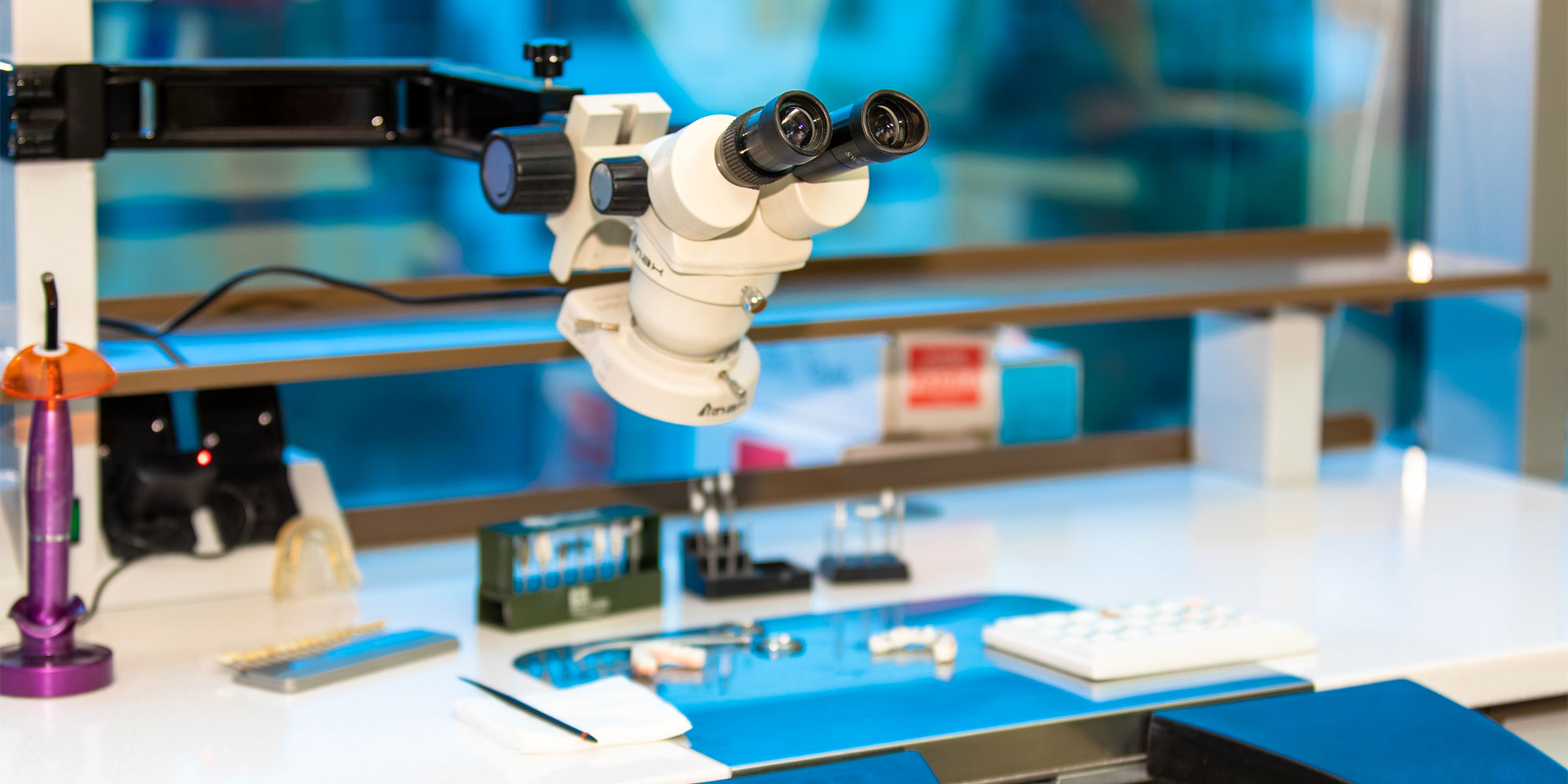 In-House Digital Lab
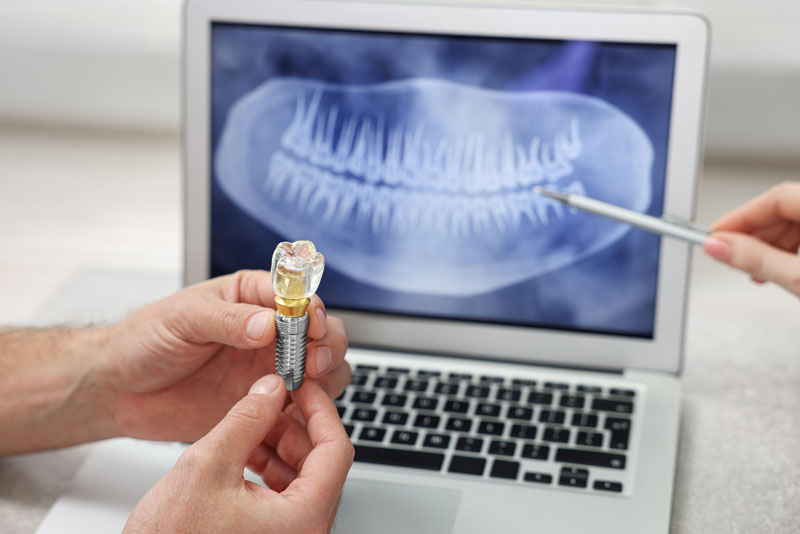 Computer-Guided Surgery
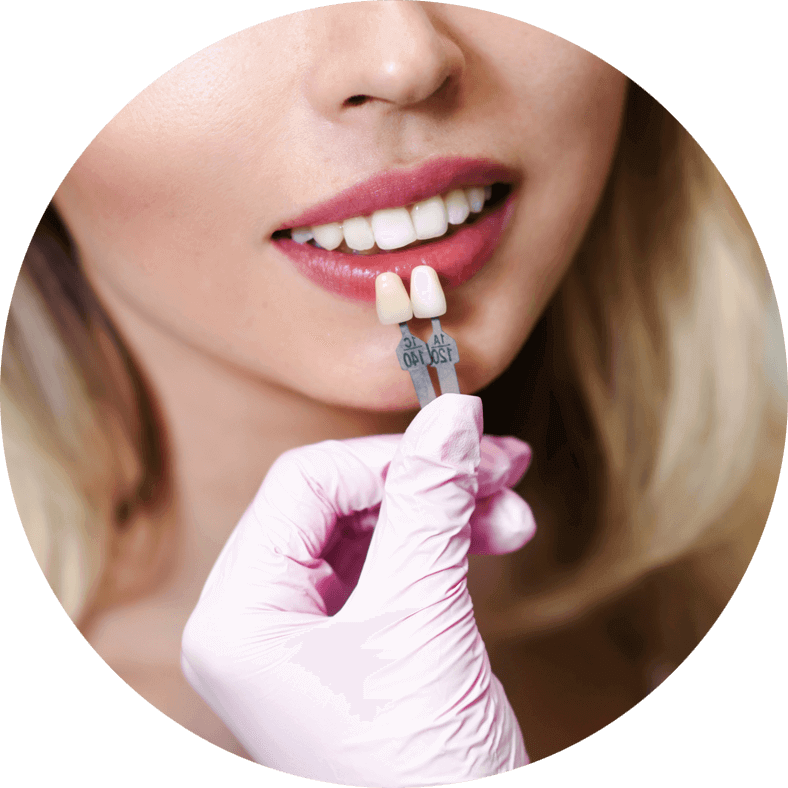 Minimally Invasive Veneers
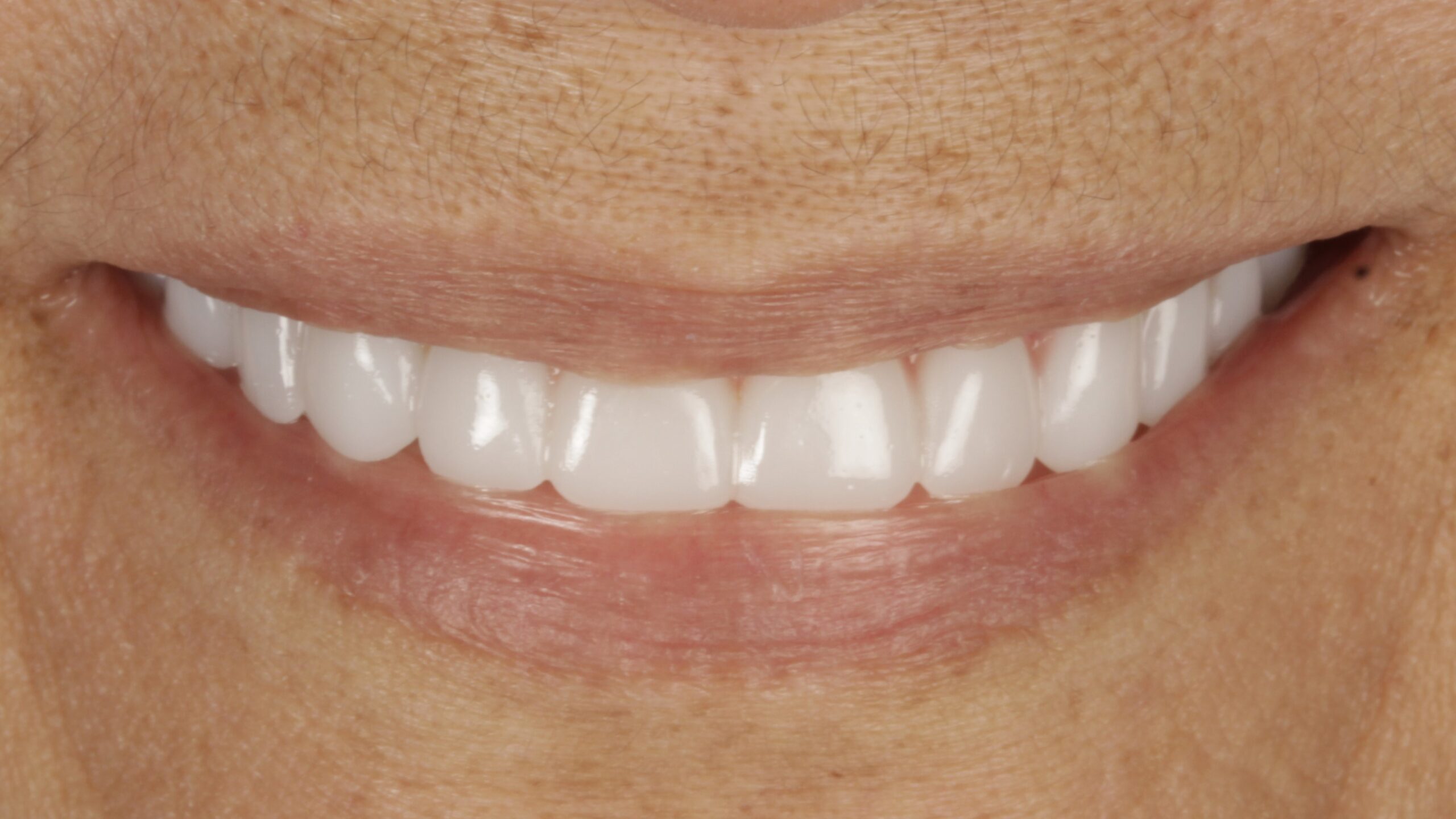 Thin Arch
Every full-arch implant prosthesis is one of three types. What separates them is how much of it is teeth, and how much is pink acrylic standing in for gum and bone. Most practices fit one kind. Here the arch is planned as thin as the case will carry.

A thin arch is not always possible. Where bone loss is advanced, FP3 is both the honest answer and the stronger one. What is worth asking is whether anyone planned for the alternative. How a full arch is planned
My smile held me back. That’s behind me now.Melanie · Full-Arch Implant Patient
Recent Google reviews from both practices. Their words, not ours.

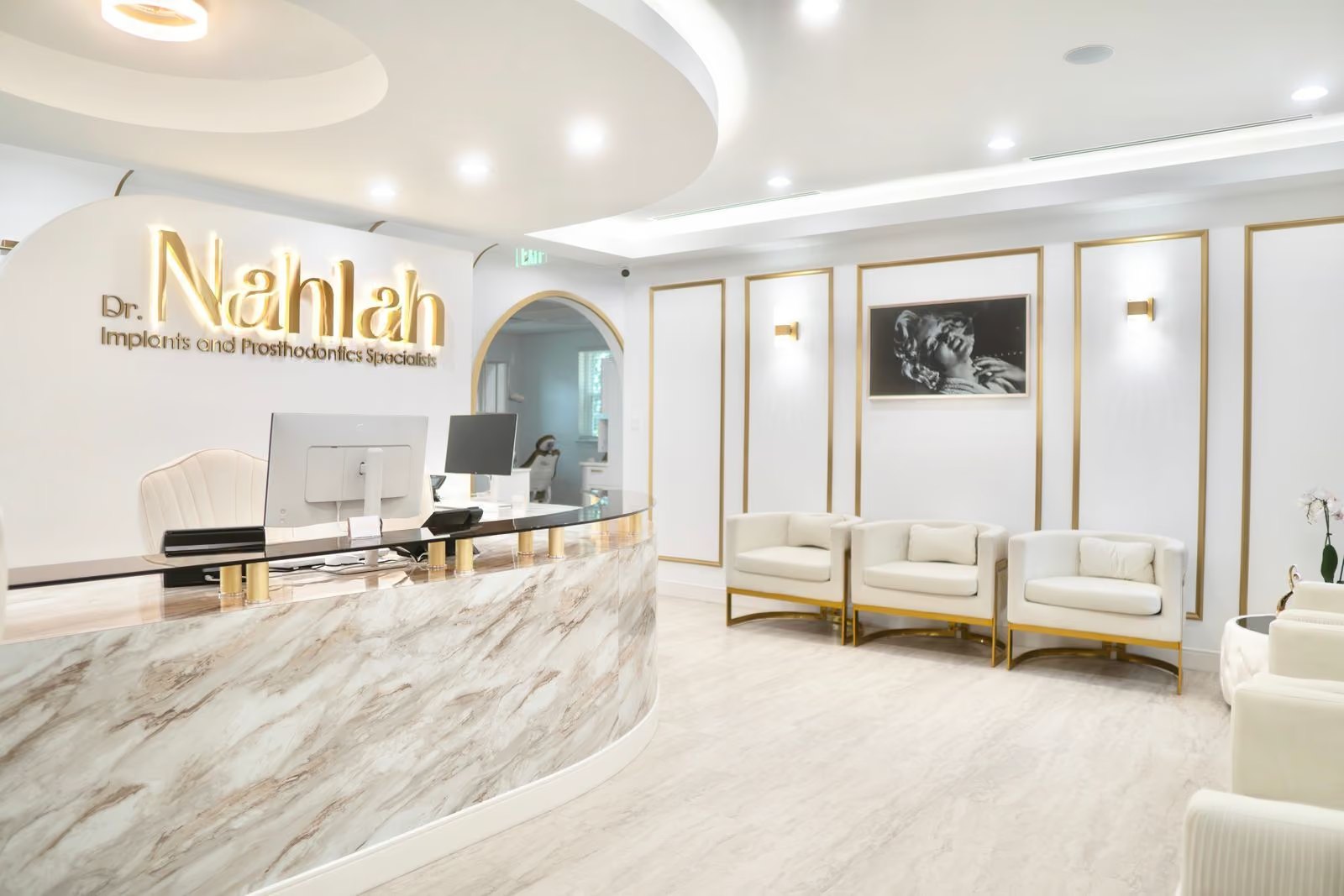

A consultation includes the 3D scan and a straight answer about what your case actually needs, before you commit to anything.